Choosing Fascia & Soffit Options That Boost Home Ventilation
Why the right roofline details matter more than most homeowners realize in summer
June is when a lot of homeowners start paying closer attention to airflow, attic heat, and overall exterior performance. As temperatures rise, the parts of your home that support ventilation start doing more work behind the scenes. One of the most overlooked parts of that system is the combination of fascia and soffit.
Most homeowners think about these features in terms of appearance and trim detail. That is only part of the story. The right fascia and soffit installation can play a major role in helping your home breathe properly, managing moisture, and supporting the long-term health of your roofline. M & W Exteriors says soffit and fascia play a vital role in ventilation and moisture management, helping prevent rot in roof rafters and reducing attic overheating.
For homes across Southern Wisconsin, that matters. Good ventilation is not a luxury upgrade. It is part of protecting your home from heat buildup, moisture issues, and avoidable wear over time. M & W Exteriors positions fascia, soffit, gutters, and siding as core exterior services focused on both appearance and performance.
What fascia and soffit actually do
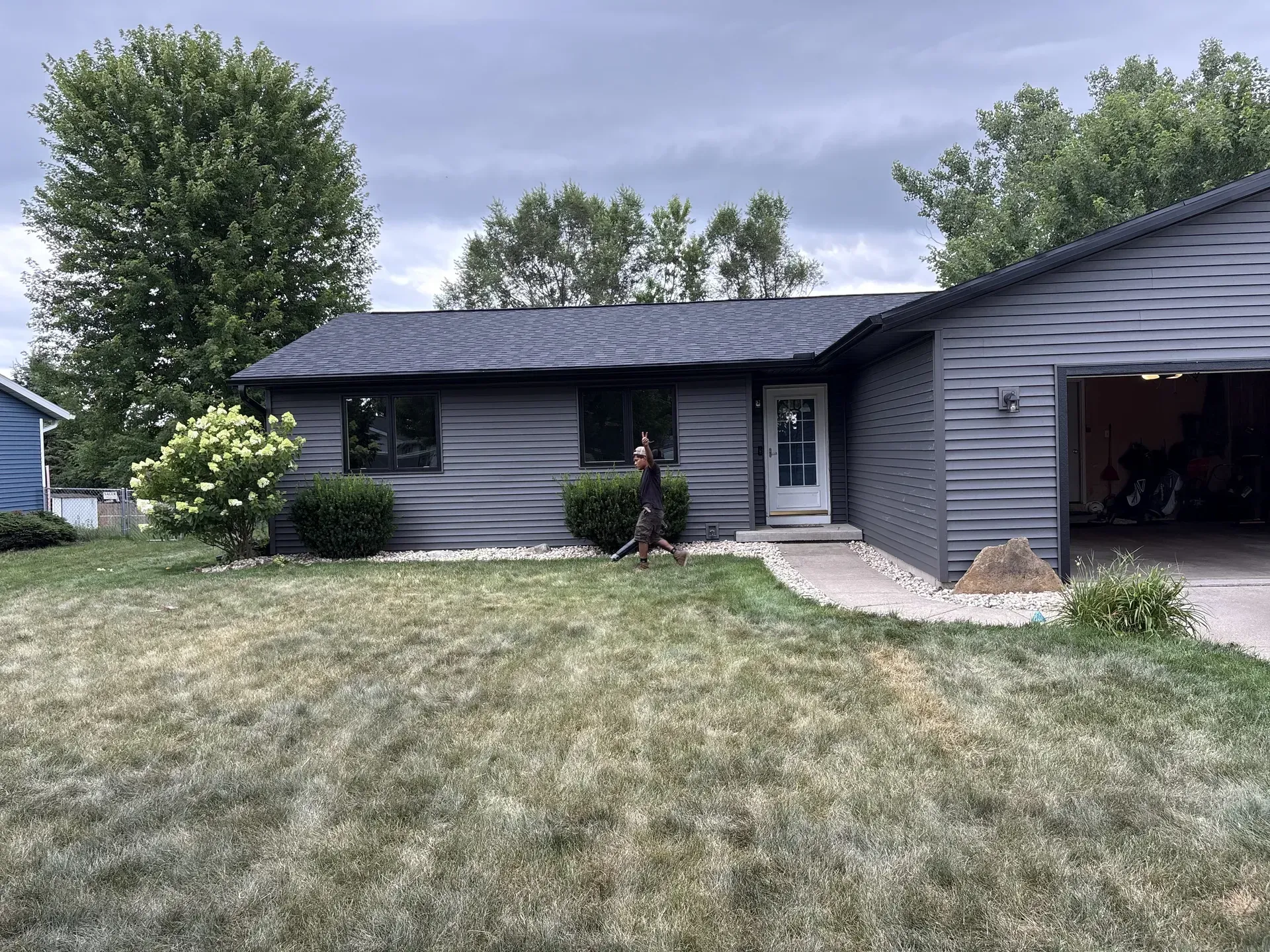
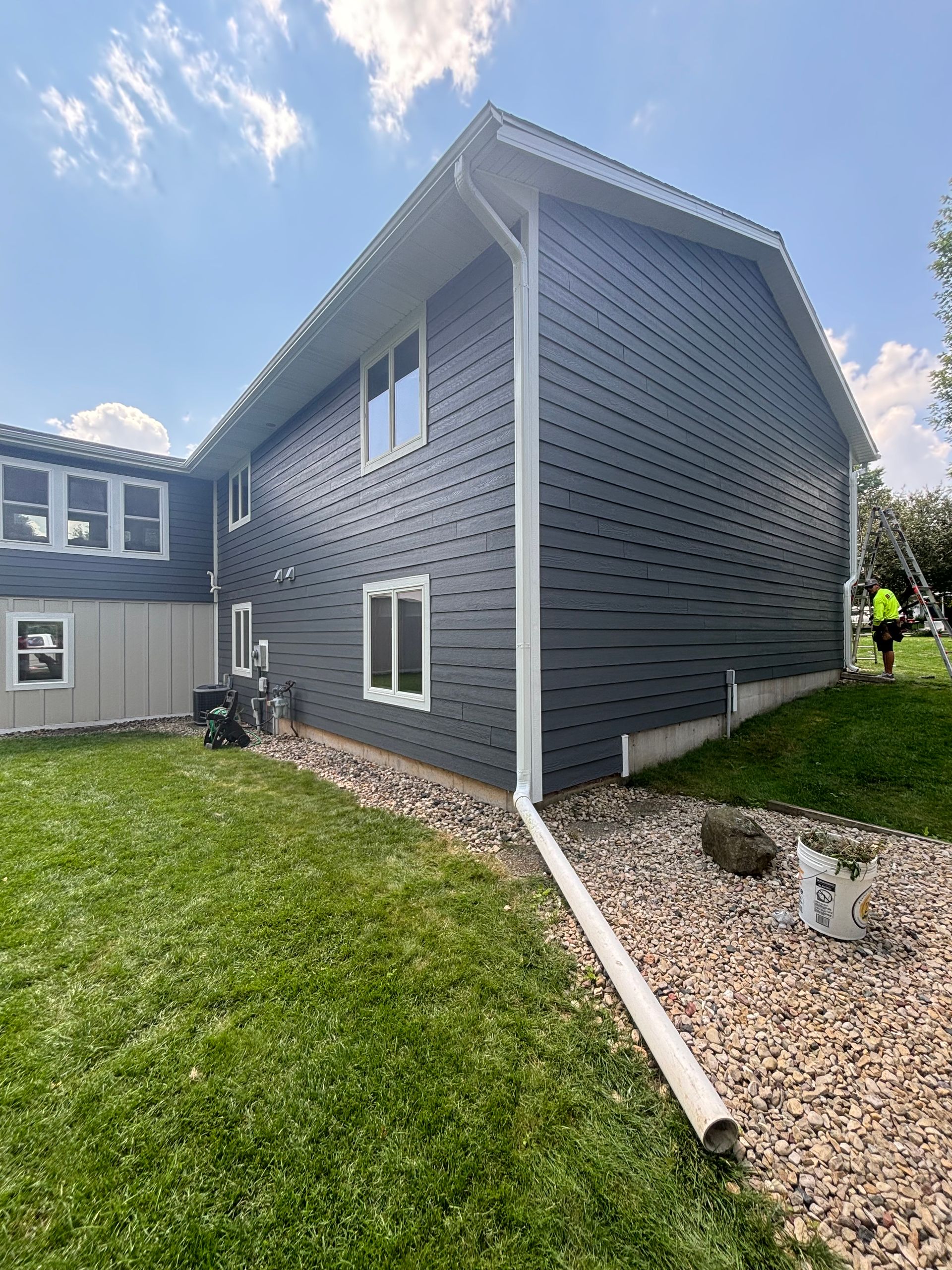
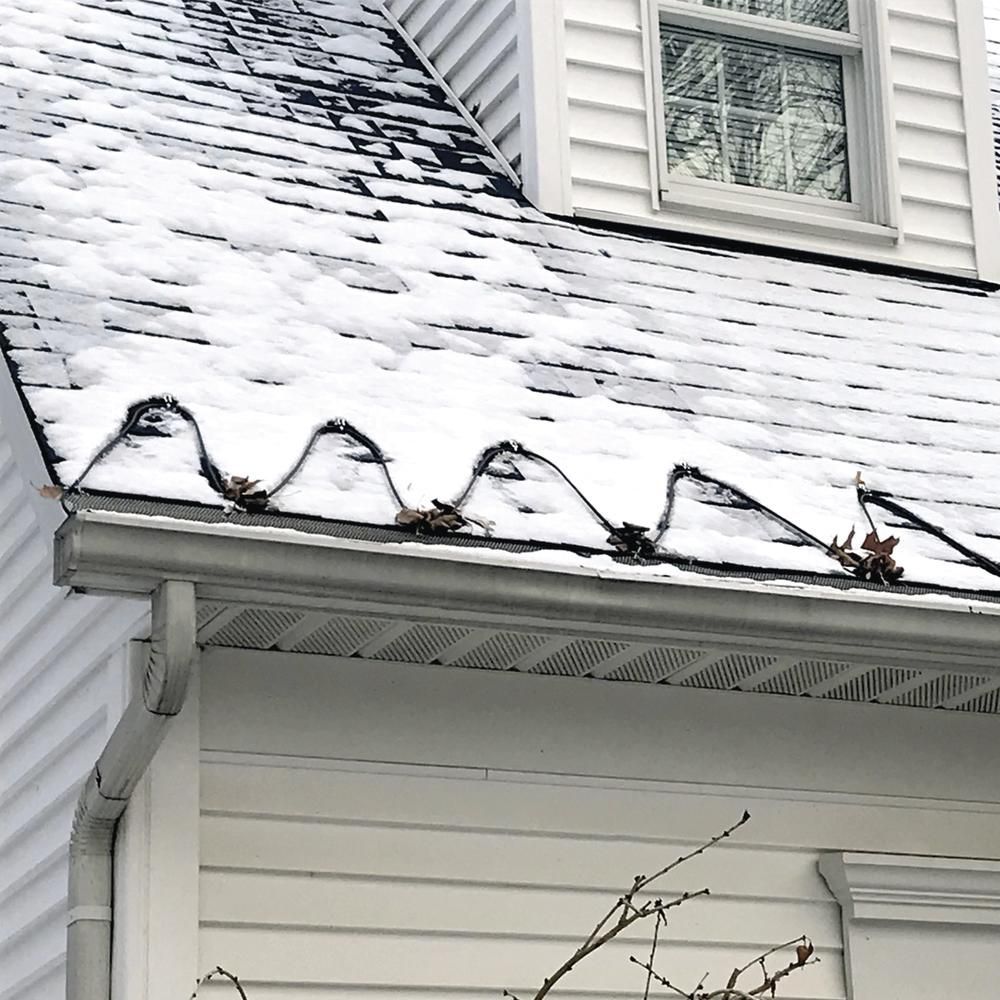
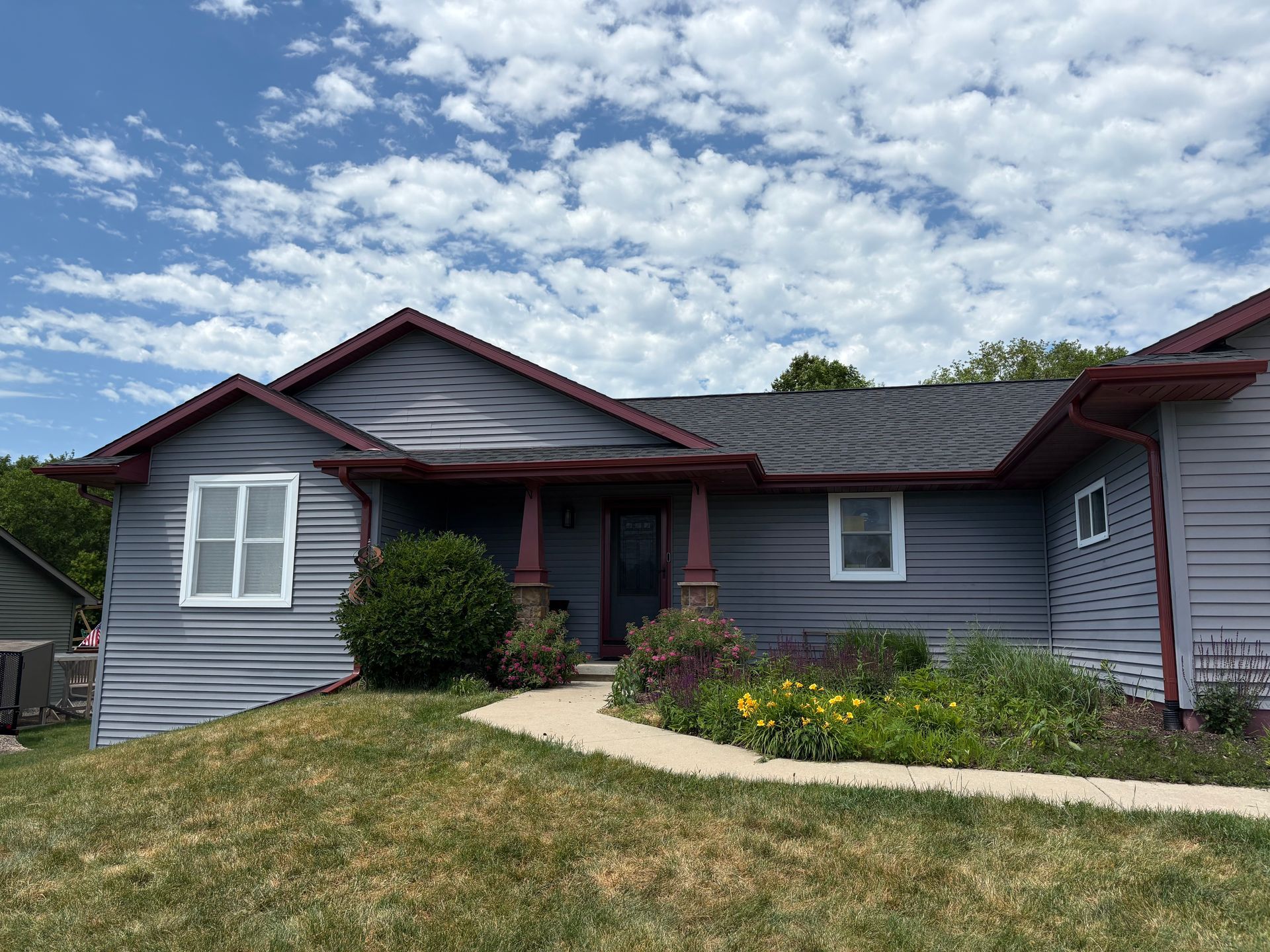
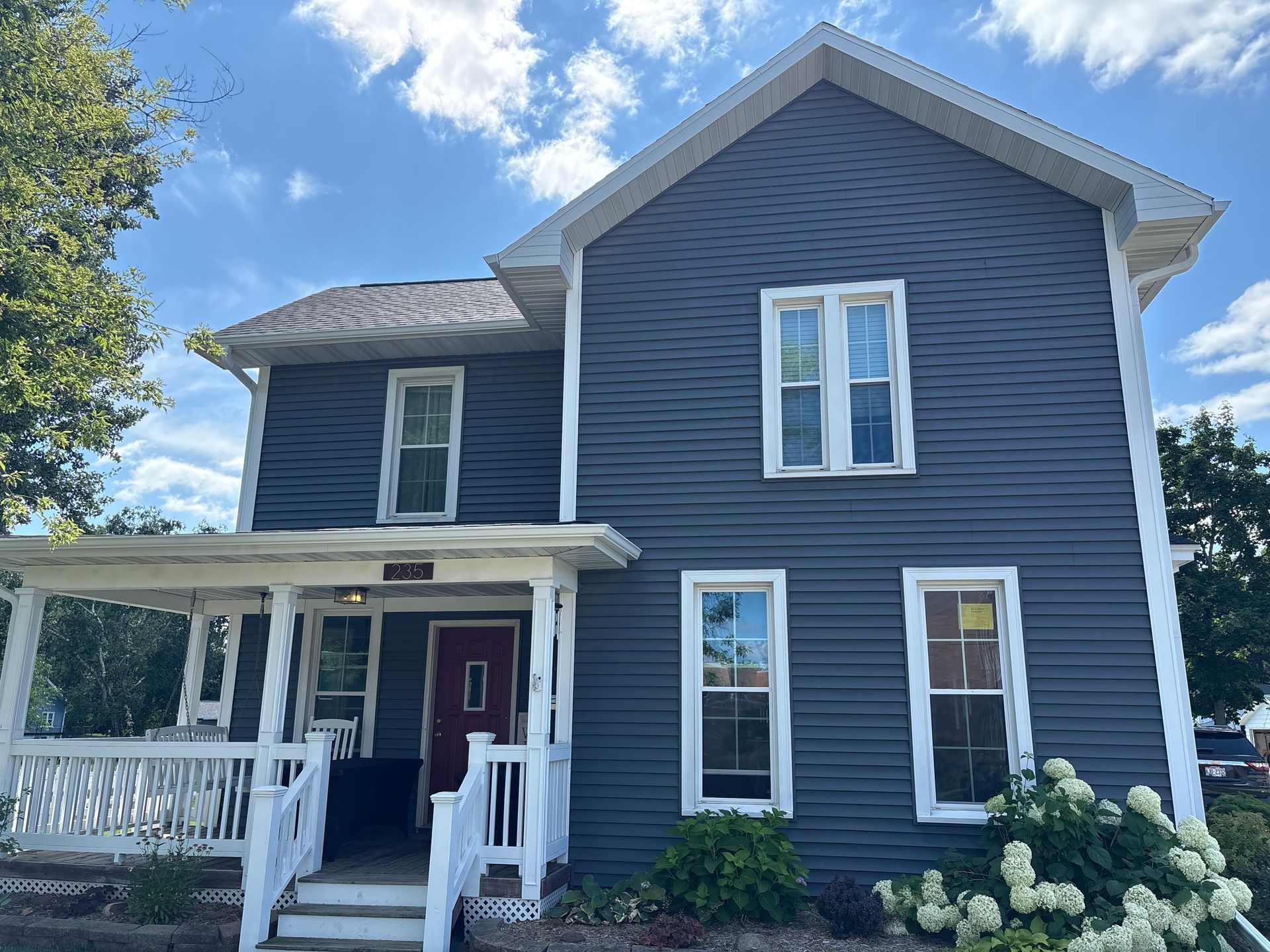
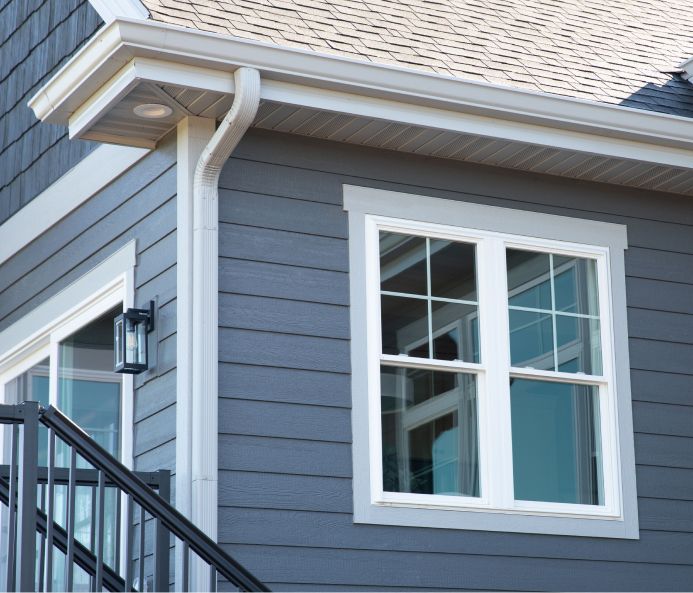
Fascia is the horizontal board that runs along the edge of the roof. It gives the roofline a clean finished look, but it also serves an important structural purpose by supporting the outer edge of the roof and providing the attachment point for your gutter system. The company’s fascia and soffit page specifically describes fascia as a key protective edge component, while its gutter page emphasizes gutters’ role in directing rainwater away from the property.
Soffit is the material installed underneath the roof overhang. This is where ventilation becomes the bigger conversation. Vented soffit panels help bring fresh air into the attic, supporting healthy airflow and helping your home regulate heat and moisture more effectively.
When fascia and soffit are installed correctly and designed with ventilation in mind, they do much more than improve curb appeal. They help your home perform better.
Why home ventilation matters in summer
In June and throughout the summer, attic temperatures can climb fast. When hot air gets trapped in the attic, it can place extra stress on roofing materials and make it harder for your home to stay comfortable.
Poor ventilation can also contribute to moisture problems. Even in warmer months, stale trapped air and excess humidity can create conditions that are not good for insulation, wood framing, or overall roof system health.
That is why homeowners should not choose fascia and soffit based on looks alone. The right setup helps move air through the attic and supports the balance your home needs during hot Wisconsin weather.
Vented vs. solid soffit: what is the better choice?
When homeowners start comparing soffit options, one of the most important differences is whether the soffit is vented or solid.
Vented soffit
Vented soffit includes perforations or panel openings that allow air to enter the attic space. This option is often the better fit when the goal is improving ventilation and reducing heat buildup. For many homes, vented soffit is the practical choice because it supports airflow without sacrificing a finished exterior appearance.
Solid soffit
Solid soffit does not allow the same airflow. In some designs, it may be used in select areas for architectural reasons, but it is generally not the best option when ventilation is the priority.
For homeowners focused on performance, vented soffit is usually the smarter direction. It supports the purpose soffit is supposed to serve instead of treating it like trim alone.
Material choices matter too
The material used for fascia and soffit also affects long-term performance and maintenance.
Aluminum and other low-maintenance exterior materials are popular because they hold up well against weather exposure and require less upkeep than wood. That matters in Wisconsin, where homes deal with moisture, snow, heat, wind, and seasonal swings throughout the year.
Homeowners should think about more than color and style. The right material should also stand up to the climate, resist deterioration, and support the ventilation strategy of the home.
How fascia and soffit work with gutters
This is where many homeowners miss the bigger picture. Fascia and soffit do not function in isolation.
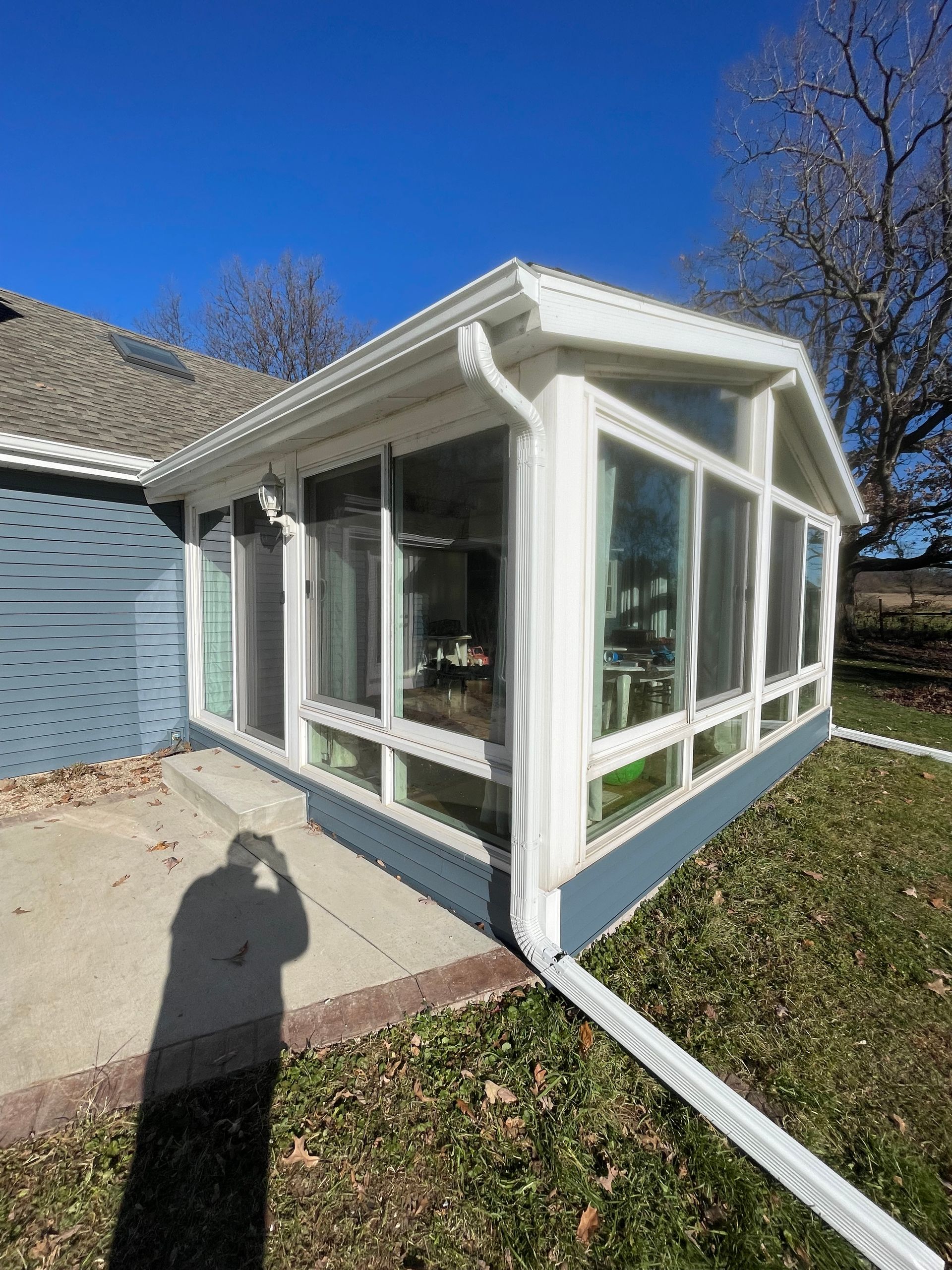
Because fascia supports the gutters, problems with drainage can affect the roofline system as a whole. If water is overflowing, backing up, or repeatedly soaking the fascia area, ventilation-related benefits can be undermined by moisture stress elsewhere.
That is one reason it makes sense to look at gutter installation and fascia-soffit upgrades together. M & W Exteriors describes gutters as essential for moving rainwater away from the structure and protecting the property from water damage. When these systems work together properly, your home is better positioned to manage both airflow and water.
Signs your current fascia and soffit may not be doing the job
Some warning signs are easy to spot. Others are more subtle. Homeowners may need to take a closer look if they notice:
- peeling paint or staining near the roofline
- visible warping or soft spots
- signs of rot or moisture damage
- pest activity near the eaves
- poor attic airflow or excessive summer heat
- mildew or moisture issues around the roof edge
- gutters pulling away from the fascia
Any of these can suggest that the existing system is aging, underperforming, or no longer supporting the home the way it should.
What to look for when choosing fascia and soffit options
If ventilation improvement is the goal, homeowners should focus on a few practical priorities.
First, choose soffit options that allow proper airflow. Second, select materials that can handle Wisconsin weather without becoming a maintenance burden. Third, make sure the fascia and soffit design works with the rest of the home’s exterior system, including gutters and roofline drainage.
Aesthetic upgrades are fine, but performance should come first. A clean roofline only helps so much if the attic is still trapping heat and moisture.
Why June is a smart time to make the upgrade
Summer is one of the best times to address fascia and soffit because the ventilation issue becomes easier to appreciate when temperatures rise. Homeowners are more likely to notice attic heat, stuffy upper floors, or other signs that airflow is lacking.
June is also a practical planning month. It gives homeowners time to make improvements before late-summer storms, fall debris, and winter weather start putting more pressure on the exterior.
Instead of waiting until visible damage gets worse, summer is the right season to address the system proactively.
Final thoughts
Choosing fascia and soffit options is not just a design decision. It is a ventilation decision, a moisture-management decision, and a long-term exterior protection decision.
For Wisconsin homeowners, vented soffit and durable fascia materials can help support healthier airflow, reduce heat buildup, and protect the roofline from avoidable wear. When paired with a properly functioning gutter system, those upgrades can make a noticeable difference in how your home performs.
If your current roofline is showing signs of age or poor ventilation, this is a good time to explore fascia and soffit options that do more than just look finished. To plan your next exterior upgrade, request a free estimate. M & W Exteriors’ contact page offers free estimates and lists fascia and soffit installation among its service inquiry options.