Spring Siding Maintenance: Get Ahead of Cracks and Weather Wear
Protect Your Home Before Spring Rains Turn Small Siding Issues Into Bigger Repairs
When spring arrives in Wisconsin, your home’s exterior starts feeling the shift fast. Snow, ice, wind, and freeze-thaw cycles can leave siding worn down in ways that are not always obvious at first. Small cracks, loose panels, failing caulk, and trapped moisture can all become bigger problems once seasonal rains move in.
That is why spring siding maintenance matters. Taking care of minor siding issues early can help protect your home from water intrusion, prevent more expensive repairs, and keep your exterior looking its best through the wettest part of the year.
At M & W Exteriors, exterior protection is a core part of the work they provide across Southern Wisconsin, including siding installation as well as fascia and soffit services.
Why Spring Is the Right Time for Siding Maintenance
Winter is hard on exterior materials. Repeated freezing and thawing can stress siding, trim, and sealants. By spring, damage that looked minor in colder months can become a real moisture risk.
Seasonal rain is where that risk gets more serious. Once water finds a way behind siding, it can affect the layers underneath, leading to hidden deterioration, mold concerns, and structural damage over time. Spring maintenance gives homeowners a chance to catch issues before repeated rain exposure makes them worse.
It is simply cheaper to deal with a small siding problem now than to wait until water damage spreads.
Common Signs Your Siding May Need Attention This Spring
A thorough visual check around your home can reveal a lot. Some of the most common warning signs include:
Cracks or Splits
Even small cracks can allow moisture to work behind the siding. These are especially important to address before heavy spring rainfall begins.
Loose or Warped Panels
Panels that have shifted, bowed, or pulled away from the home may leave underlying materials exposed to water.
Fading or Discoloration
Uneven color, staining, or streaking can point to weather wear or moisture-related issues.
Mold, Mildew, or Algae Growth
If you notice green, black, or dark staining, moisture may be lingering where it should not.
Damaged Caulk Around Openings
Worn or cracked caulk around windows, doors, and trim can create easy entry points for water.
Storm Debris Buildup
Leaves, dirt, and debris that collect along lower siding sections or corners can trap moisture against the surface.
Focus on the Most Vulnerable Areas First
Not every part of your home wears evenly. Some areas are more likely to show damage first, especially after winter.
Pay close attention to:
- Areas around windows and doors
- Corners and seams
- Lower siding near the ground
- Sections below rooflines and valleys
- Areas near gutters, downspouts, fascia, and soffit
These transition points tend to collect water, debris, and splash-back, which makes them more vulnerable during spring storms.
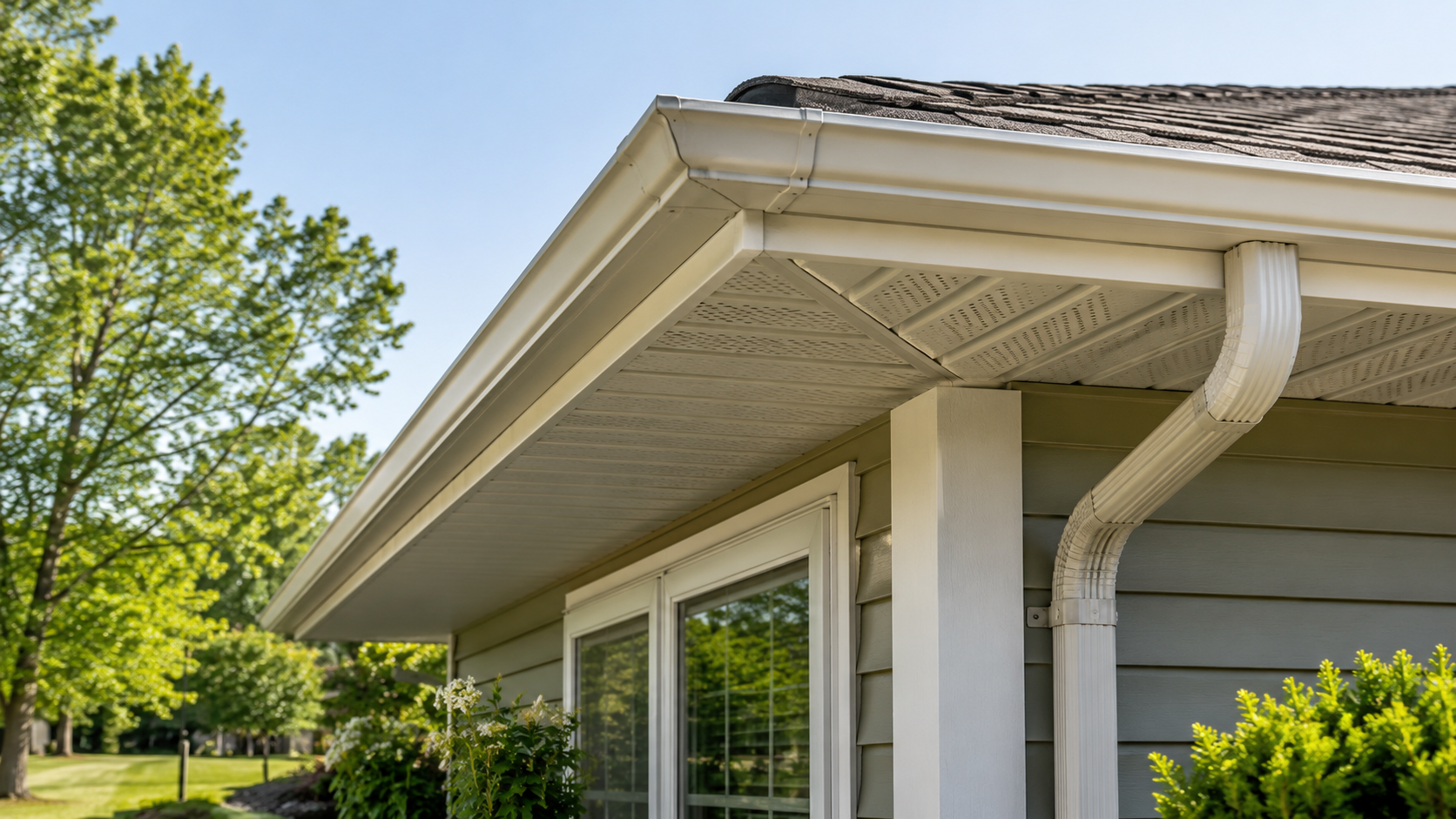
Do Not Overlook Gutters, Fascia, and Soffit
Siding does not work alone. Your home’s exterior systems all affect each other.
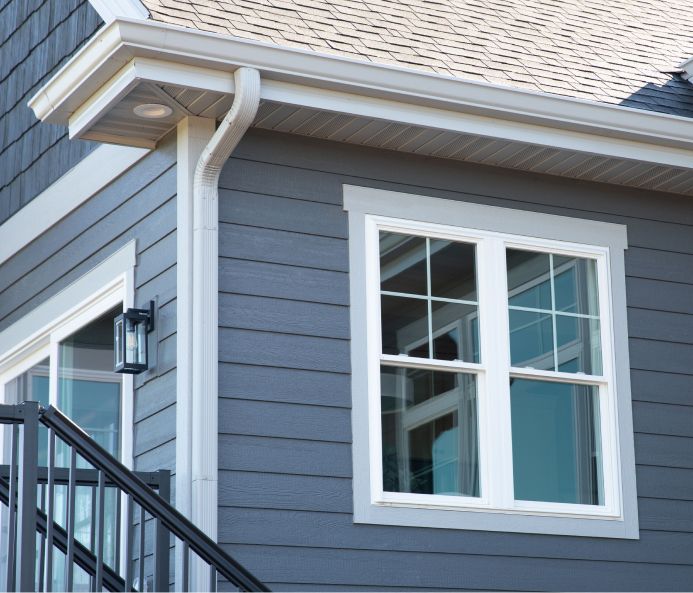
If gutters overflow, if fascia has begun to fail, or if soffit areas are not managing ventilation and moisture correctly, siding can end up repeatedly exposed to water. M & W Exteriors specifically offers gutter, siding, fascia, and soffit services as part of its exterior work, which makes this a connected issue rather than a one-part fix.
That means spring siding maintenance should never be viewed in isolation. If water is not being directed away from the home correctly, siding performance will suffer.
Simple Spring Siding Maintenance Steps Homeowners Can Take
There are a few smart steps homeowners can take at the start of the season:
Walk the Perimeter of the Home
Look for visible cracks, warping, gaps, loose pieces, staining, and other signs of wear.
Clean Off Dirt and Debris
A gentle cleaning can remove winter residue and make damage easier to spot. Avoid overly aggressive washing that could force water into vulnerable areas.
Inspect Caulk and Seals
Check around trim, penetrations, and openings. Replace any caulk that is cracked, brittle, or pulling away.
Check Drainage Performance
Watch how water moves around the home during or after rain. Overflowing gutters or poor runoff can contribute directly to siding wear.
Schedule Repairs Before Peak Rainfall
Do not wait until moisture gets behind the system. Early repairs are usually more manageable and less costly.
When to Call a Professional for Siding Repair
Some siding problems are obvious. Others are easy to miss unless you know what to look for.
If you see cracking, loose panels, repeated staining, or signs that moisture may already be getting behind the siding, it is time to bring in a professional. A proper inspection can help determine whether the issue is isolated or part of a larger exterior drainage or moisture problem.
That is especially important in Wisconsin, where homes deal with major seasonal swings and moisture exposure year after year.
Protect Your Home Before Spring Rains Set In
Spring siding maintenance is one of those jobs homeowners tend to put off until there is visible damage. That is the mistake.
By the time rain starts getting behind cracked or weather-worn siding, the repair may no longer be simple. Getting ahead of the problem protects your home, preserves curb appeal, and helps you avoid larger repair costs later.
M & W Exteriors offers exterior services throughout Southern Wisconsin, including siding installation, gutter work, and fascia and soffit services. Homeowners can request a free estimate through the company’s website or contact them directly by phone or email.
If your siding is showing signs of wear after winter, now is the time to address it before spring rains make things worse. Contact M & W Exteriors to request a free estimate and keep your home protected with exterior solutions built for Wisconsin weather.